
These everyday materials can pose an explosion hazard in ATEX areas
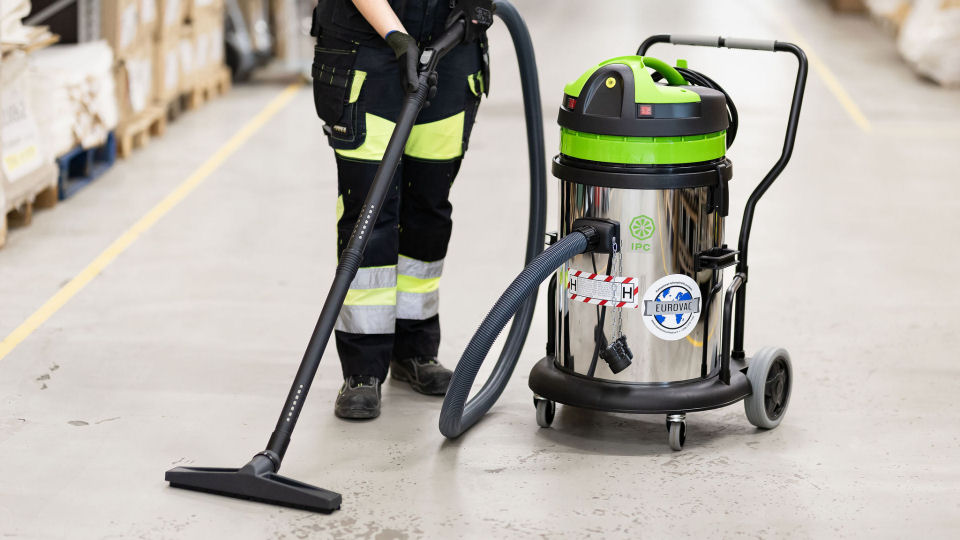
In industrial dust control, one of the most critical—yet often misunderstood—topics relates to ATEX regulations (Explosive Atmospheres). Many people associate ATEX requirements with industries such as the chemical industry or the mining sector. However, experts at Suomen Imurikeskus Oy regularly remind us that an explosion hazard can exist even with very familiar, everyday materials. Vacuuming also poses a risk of a dust explosion, in which case an ATEX environment forms inside the vacuum cleaner. Proper cleaning helps prevent such an ATEX environment from forming.
Surprising Causes of Dust Explosions
When dust or particles mix with the surrounding air in the right proportions, all it takes is a small spark, a static discharge, or a hot part of a piece of equipment to ignite a serious dust explosion. Many customers are surprised to learn that the following common materials, for example, pose a dust explosion hazard:
- Wood dust and wood shavings: One of the most common types of explosive dust in the woodworking industry, at sawmills, and in woodworking classrooms at educational institutions.
- Food dusts: For example, sugar, flour, and powdered milk are all highly explosive materials in the food industry.
- Plastic and aluminum dust: Fine shavings or grinding dust generated during machining can ignite easily and pose an explosion hazard in the ductwork and the vacuum cleaner’s dust container.
Selecting ATEX equipment and systems is not straightforward
When purchasing a device, many people simply look for an “ATEX vacuum cleaner,” even though the concept is actually much broader. If the location has already been designated as an ATEX-classified area, the situation is clear: the site requires a vacuum cleaner certified specifically for that dust class (such as Zone 21 or 22) that does not produce sparks and eliminates static electricity.
The situation becomes more challenging in larger dust and chip extraction systems. Even if the area itself is not classified, the dust extraction equipment itself, as well as the interior of the piping, constitute an ATEX-classified space. In such cases, the entire system must be equipped with safety devices that comply with the requirements—such as pressure relief valves to prevent a potential dust explosion and check valves to prevent the spread of fire. These legal obligations and safety equipment requirements must be taken into account as early as the design phase to avoid surprises and potential damage later on.
Does your company need an update to its dust removal system in ATEX-certified areas or an expert assessment?
Buying a single unit from an online store without the help of a professional places the entire responsibility on the customer. Here at Suomen Imurikeskus Oy, we have decades of experience in interpreting legislation and safely sizing ATEX systems. Our guiding principle is to ask you the right questions: what material will be vacuumed, what are the conditions, and what is the operating environment? This way, we ensure that the solution you purchase meets all safety requirements and prevents catastrophic damage before it occurs.
This ensures a cost-effective and safe solution in all situations.
Contact the experts at Suomen Imurikeskus Oy, and we’ll design a solution that is safe and complies with legal regulations. See also:

Expert for this article
Aleksi Harju
CEO, Suomen Imurikeskus Oy
Aleksi has been working with industrial vacuum cleaners and dust removal solutions since 2012. Prior to becoming CEO, he was responsible for product development and the management of installation projects at Suomen Imurikeskus Oy. Today, in addition to his administrative duties, he is actively involved in designing technical solutions and addressing customers’ challenging dust extraction needs.


