Painting walls and cabinets

We have efficient and safe paint booths and walls for different sizes of spaces. Optimum suction, high quality filtration and good lighting ensure a clean working environment and excellent painting results.

Contact us and we'll help you find a solution that suits your needs!

Painting walls and cabinets
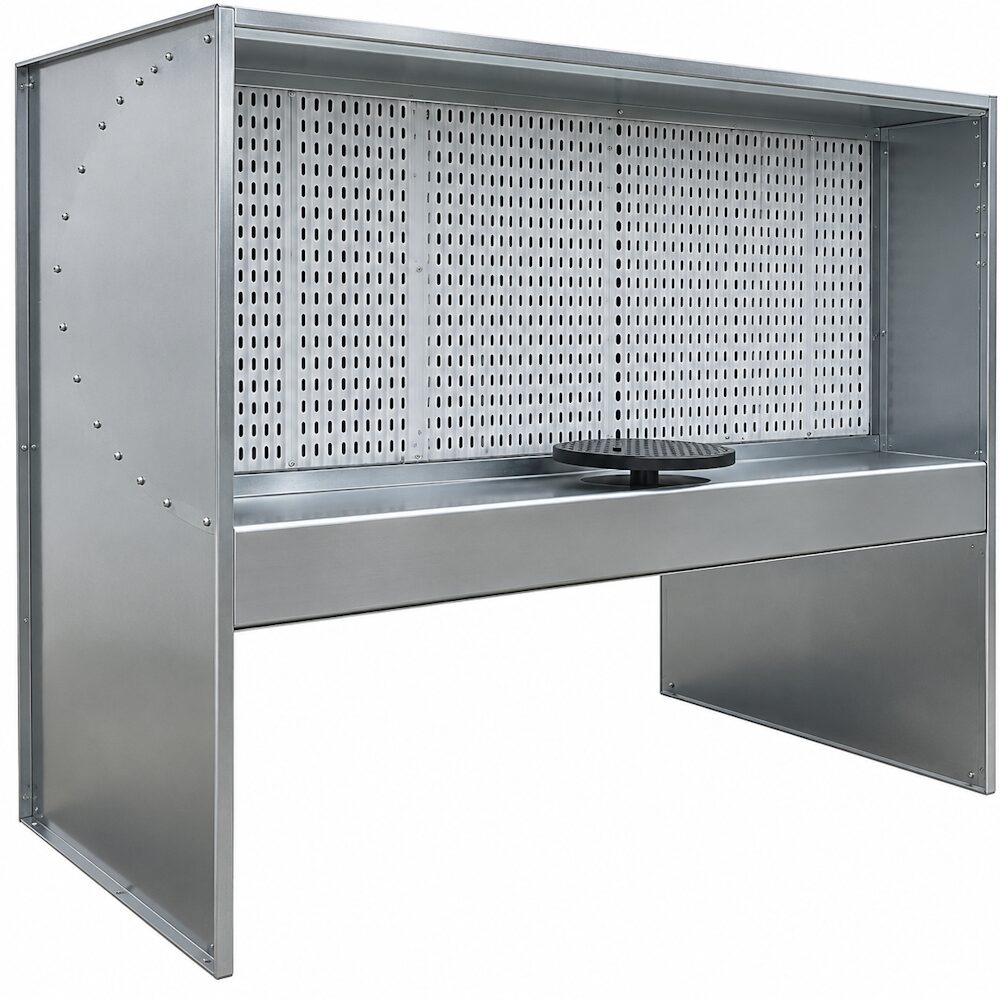
Minidry

Product code: 214201

Minidry is suitable for small series and for finishing small pieces of paint. Cabinets with EX-protected motors and lights if required. Filtered air must be discharged to the yard.

Models:

  • Minidry 1m, 0,55 kW
  • Minidry 1m, 0.55 kW EX
  • Minidry 2m, 1,5 kW
  • Minidry 2m,1,5 kW EX

Eurovac painting cabinets

Product code: 214351

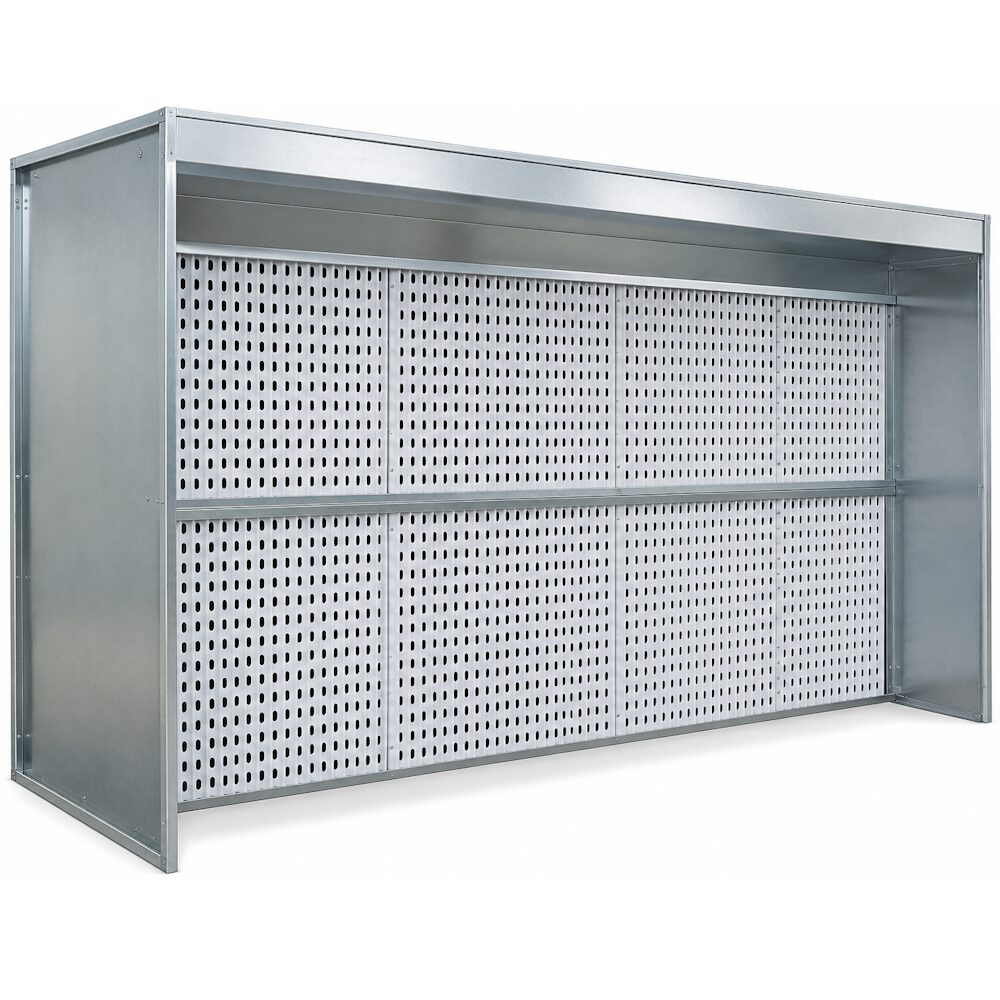
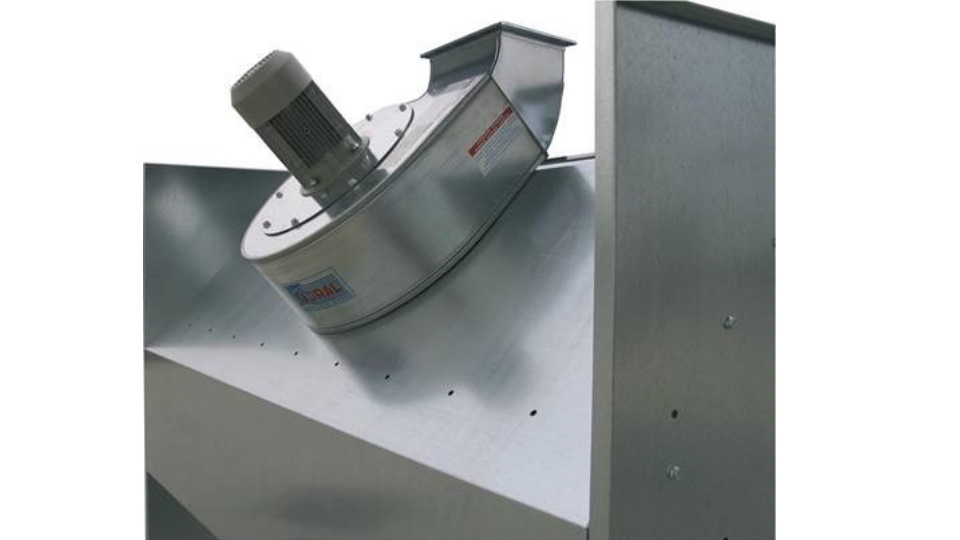
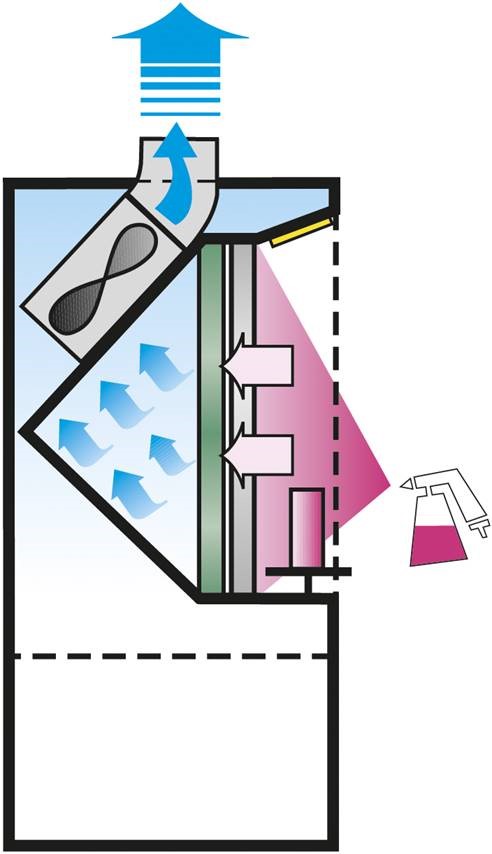
Suitable for painting pieces of all sizes. The backward inclined blower with impeller ensures the best performance. Also available with extension walls and roof (model NB) for optimum suction performance at a distance of one metre. The lamp supplied with the cabinet provides good illumination of the area to be painted and helps to improve the quality of the work. The cabinet comes with a paper filter. An optional fibreglass filter is available for a better filtration class. Includes IP65 lamp and short side walls. Fumes from the cabinet must always be vented to the outside.

High demand for painted walls and cabinets

Paint booths and paint walls are workstation solutions designed for surface treatment, where paint mist, dust, and harmful particles are removed in a controlled manner. A paint booth is typically a more enclosed solution, whereas a paint wall is a more open workstation for surface treatment of larger items.
Paint booths and paint walls direct ventilation or fume extraction and filtration directly to the workstation, preventing paint mist from spreading into the surrounding area in the same way as it does during open painting. This improves workplace safety and air quality and makes it easier to keep the work environment clean.
The size should be chosen based on the size and quantity of the parts to be painted, the painting method, and the required workspace. If you are painting small parts or doing finishing work, a smaller model may suffice. For larger parts or larger-scale production, a larger cabinet or spray booth is required.
The service life of the filter depends on usage, the type of paint, the number of items being painted, and the level of airborne contaminants. It is not advisable to specify a single universal replacement interval; instead, the filter should be replaced when its filtration efficiency decreases or the pressure drop becomes excessive.
EX- or ATEX-certified motors and lights are designed for use in potentially explosive atmospheres where flammable vapors or mists may be present. Unlike standard models, they are designed so as not to act as an ignition source. Such solutions are only required if the application calls for them.
The smaller model is suitable for painting and finishing small parts, as well as for situations where workspace is limited. The larger paint booth or paint wall is suitable for larger pieces, larger batches, and projects that require more workspace or greater extraction capacity.
Electricity consumption depends on the motor power and the duration of use. It is not advisable to estimate monthly consumption without knowing the device’s power rating and how often it is used. The easiest way to get an accurate estimate is to use the device’s power consumption and the number of hours it is used each week.
Ventilation is typically routed outside through a dedicated exhaust air duct or otherwise in accordance with the site’s ventilation plan. During installation, consideration must be given to air volumes, the type of paint, any fire safety and ATEX requirements, the building’s ventilation system, and any applicable building codes. The final implementation is always planned on a site-specific basis.
Extension panels expand the effective working area and help maintain good suction even when the workpiece is larger or the work is being done slightly further away from the main suction wall. They are particularly useful for painting larger workpieces.
The noise level depends on the fan’s size, power, and any soundproofing measures. If the operating environment is sensitive to noise, this should be taken into account when selecting a model and determining its placement. The exact noise level should be verified for each specific product.
It is advisable to check rental availability on a case-by-case basis. Suomen Imurikeskus offers equipment for rent, but it is best to check the availability of paint booths for rental directly by contacting them.
Typical maintenance tasks include replacing filters, inspecting the blower and ducts, and cleaning paint residue from work surfaces. The maintenance interval depends on usage and the type of paint. Regular cleaning improves safety and extends the service life of the equipment.
The adjustment features of a light fixture depend on the model you choose. If you need dimming or other adjustment options, be sure to check the specific product details before purchasing.
Filter options depend on the model and application. Differences arise particularly in terms of filtration efficiency, service life, pressure drop, and replacement costs. In practice, the appropriate filter is selected based on the nature of the paint dust, frequency of use, and required level of cleanliness.
Consider the size of the parts, production volume, paint type, available space, ventilation setup, safety requirements, and whether you prefer an open painting wall or a more enclosed cabinet solution.
A painting wall is a more open solution, suitable for larger workpieces and flexible operations. A painting booth is a more enclosed and controlled solution, where the work area is better defined. The choice depends on the type of workpieces being painted and the level of protection required from the surrounding environment.